
Build Your Own DIY Survival Kit
By Almir • Saturday, September 5, 2026
Most prebuilt survival kits are trying to sell you peace of mind in a pouch. Some are decent. A lot of them are overpriced bundles stuffed with gimmicks, cheap tools, and filler items that look impressive in photos but do not do much when things actually go wrong.
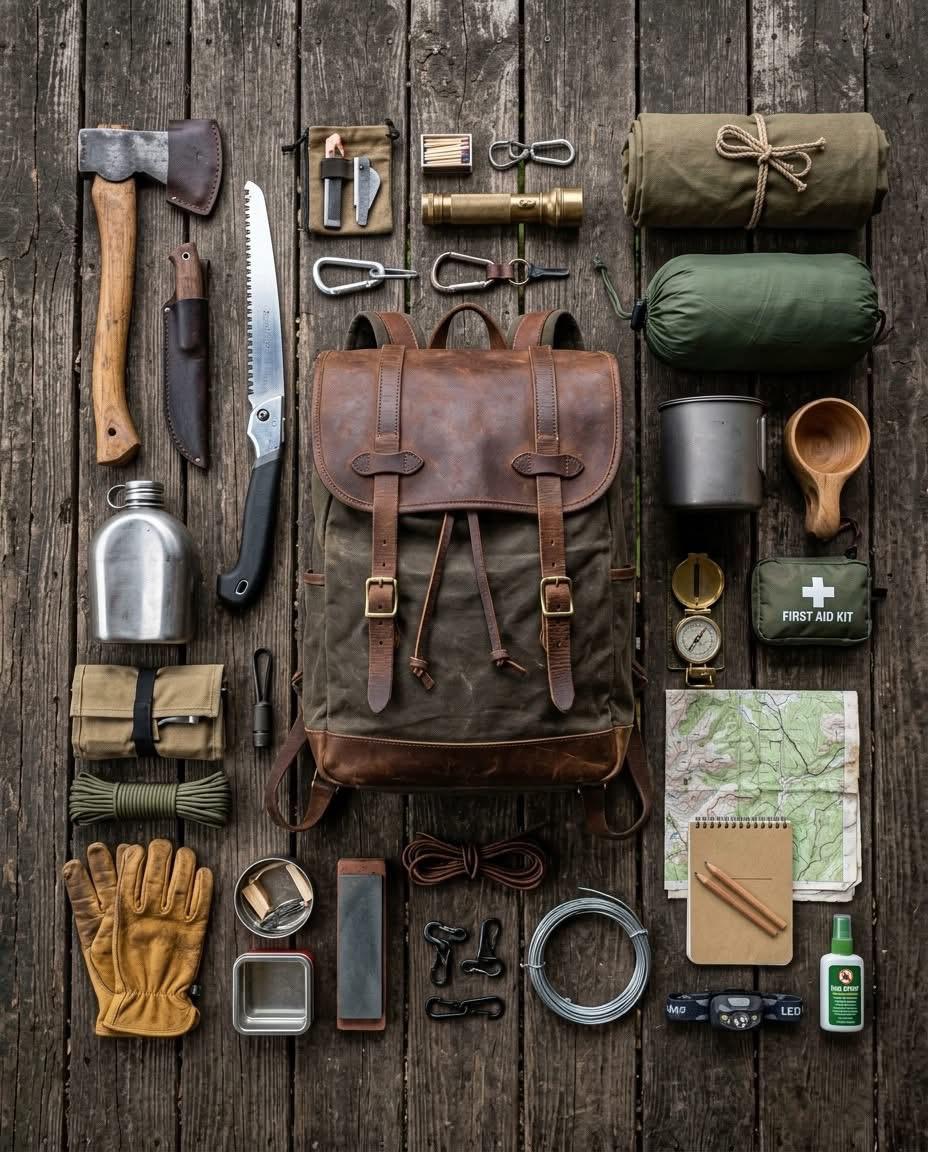
This article is version 1 of the Muslim Adventures DIY survival kit: affordable, practical, and built around multi-use gear. The goal is not to build a fantasy bug-out bag full of toys. The goal is to build a compact kit that helps you solve real problems on the trail, during travel, or in any situation where you suddenly need to rely on what you have on you.
And that is the real point: this is not just “survival gear.” It is problem-solving gear. A lot of the same items that help in an emergency also make regular hikes smoother, safer, and less miserable when something small goes sideways.
This is also not magic. A kit does not make you invincible. Skills, calm decision-making, and good judgment matter more than any product you can buy. But a well-built kit can absolutely buy you time, options, and margin when things get uncomfortable.
What This Kit Should Actually Do
A good survival kit should help you do a few things well:
- Make water safer to drink
- Start and sustain a fire
- Handle minor medical problems
- Cut, repair, and improvise
- Signal, navigate, and buy yourself time
- Help you stay warmer, drier, and more functional
If your kit cannot cover those basics, it is probably missing the point.
Start With the Right Mindset
Before you buy anything, keep these principles in mind:
- Prioritize function over marketing. A cheap item that works is better than an expensive item that just looks cool online.
- Choose multi-use gear. Every item should solve more than one problem whenever possible.
- Think beyond worst-case survival. The best kit items also solve everyday trail problems: repairs, cold, wet gear, minor injuries, navigation hiccups, and low energy.
- Make things easy under stress. Fire starting, water treatment, and first aid all get harder when you are cold, wet, tired, or disoriented.
- Practice before you need it. Do not let the emergency be the first time you try to use your gear.
You do not need a 40-pound bag full of knives to survive. You need a small number of reliable tools and the knowledge to use them.
It also does not mean you need every single item on this list. Plenty of highly experienced outdoorsmen can do a lot with very little. But the question is: why put yourself in that position if you do not have to? Sometimes it is simply better to have something and not need it than to need it and not have it at all.
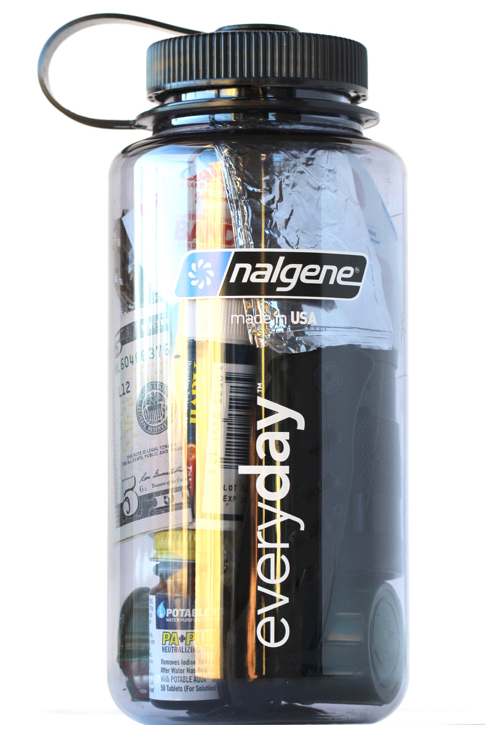
Another big advantage of this style of kit is how compact it can be. Most if not all of the core items can fit inside a simple Nalgene bottle, which makes the setup easy to store in a backpack, vehicle, or closet without taking up much space.
That is the whole philosophy here: minimalist, lightweight, multi-use, and easy to tuck away until the day you actually need it.
1. Water Comes First
You can go much longer without food than you can without water. That is why water is priority number one in any survival kit.
The baseline
- Water purification tablets such as Aquatabs or Potable Aqua
- A pre-filter option such as a neck gaiter, shemagh, or a couple of coffee filters
- A metal container if possible, so you still have the option to boil water
Purification tablets are one of the easiest items to justify. They are light, cheap, compact, and they work on the move. Even if you carry a filter, tablets still make sense as a backup.
Your pre-filter material is there to remove sediment, leaves, bugs, and other debris before you boil or chemically treat the water. It does not make unsafe water safe on its own, but it helps your main method work better.
If you want a premium water option
One of our favorite tools is the GRAYL GeoPress. It is fast, simple, and excellent when you need clean water without a lot of setup. Just pre-screen dirty water first when you can so you do not clog the filter unnecessarily.
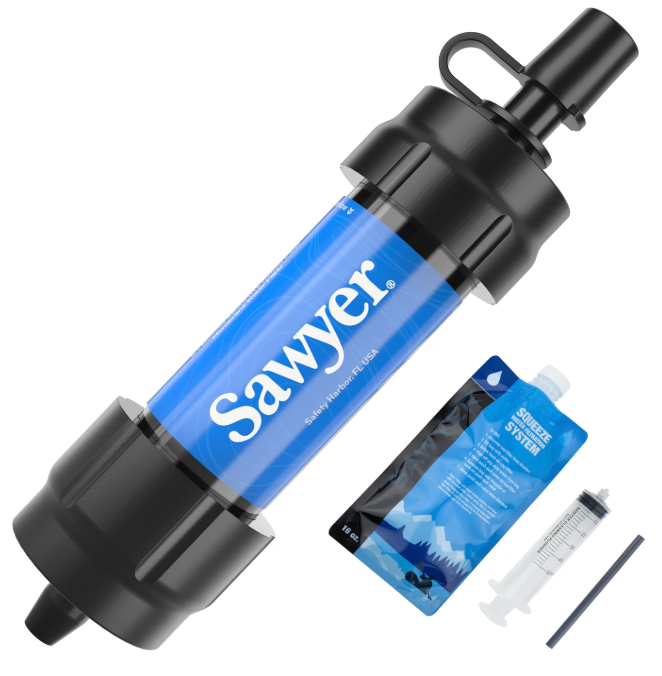
Another excellent lightweight option is the Sawyer Squeeze. It weighs next to nothing, packs easily, and gives you a practical way to filter water into a bottle so you can clean source water and keep moving. It is the kind of item that disappears into your pack until the moment it becomes one of the most important things you brought.
If your legs still work, you can often walk yourself to safety. But you need water to keep doing that.
If you want a deeper dive on water specifically, read Water in the Wild: How to Make It Safe to Drink.
2. Fire Is Comfort, Safety, and Utility
Fire is not just about warmth. Fire helps you:
- Boil water
- Cook food
- Dry clothes and gear
- Improve morale
- Signal for help
- Process materials and improvise tools
The mistake people make is assuming fire is easy. Fire is easy when the weather is perfect and everything is dry. Fire gets a lot harder when you are cold, wet, rushed, shaky, or thinking poorly.
The baseline
- A BIC lighter — mini or full size
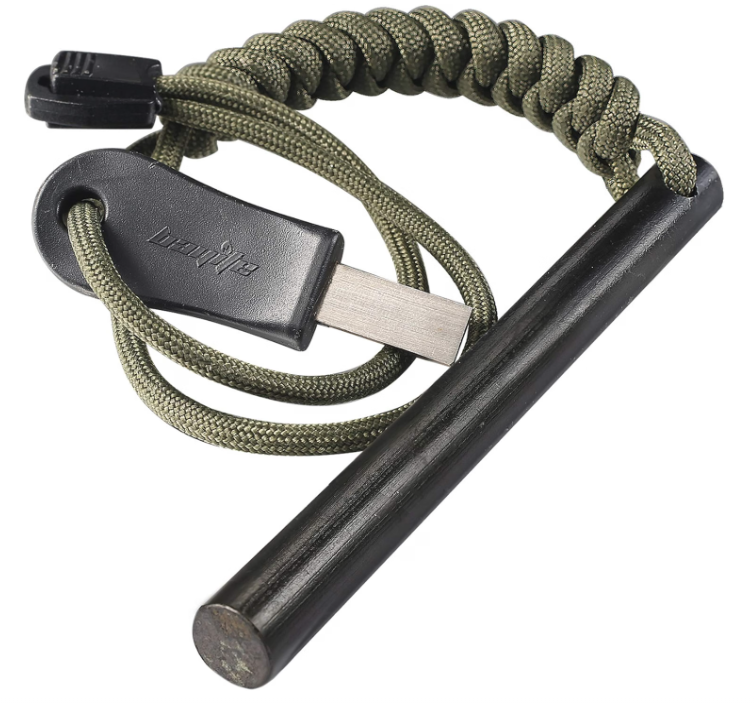
- A ferro rod with a good striker
- A dedicated tinder source such as fire plugs, tinder tabs, or cotton-based fire starters
A BIC lighter has absolutely earned its place in any survival kit. It is compact, reliable, and quick. But lighters can fail, get wet, or run empty, which is why a ferro rod is such a strong backup.
What matters most with a ferro rod is not brand hype. It is whether the striker is good enough to reliably throw sparks. A mediocre striker can make a simple task frustrating for no reason.
If you want to upgrade your lighter setup, an Exotac Fire Sleeve is a nice add-on. It helps protect the lighter, improves grip, and adds a little peace of mind.
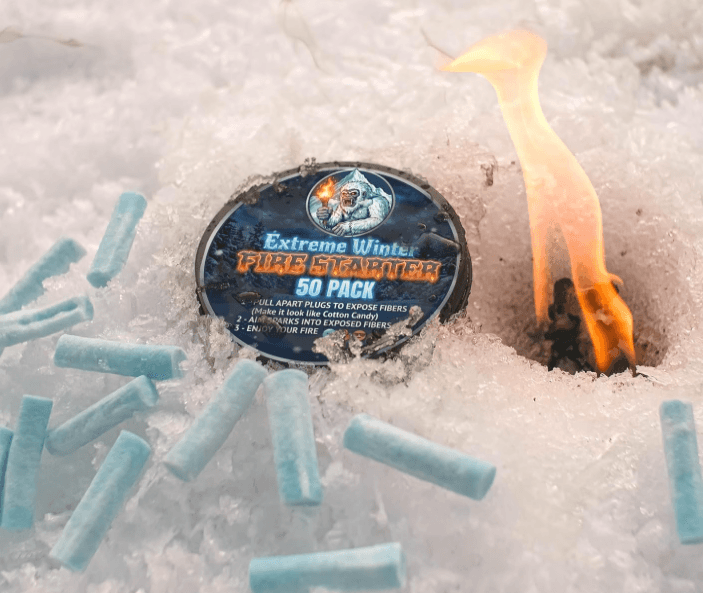
For tinder, inexpensive fire plugs are hard to argue with. They are cheap, compact, weather resistant, and very easy to use.
3. First Aid Should Be Practical
This is one area where there are a lot of valid approaches. That is exactly why many people are better off starting with a prebuilt kit from a reputable company and then customizing from there.
We do recommend checking out Adventure Medical Kits. They make purpose-built kits in a variety of sizes and take a lot of the guesswork out of getting started.
If you want to build your own
At minimum, think about including:
- Bandages in a few sizes
- Blister care
- Gauze and medical tape
- Antiseptic wipes
- Tweezers
- Pain relief medication
- Any personal medication you specifically need
- Moleskin Tape
Keep this realistic. A small kit is for stabilizing minor problems, keeping small problems from getting worse, and helping you stay mobile until you are out of the situation. On a normal hike, that can mean the difference between handling a blister, hotspot, scrape, or headache early and letting it turn into a trip-ending issue.
4. Cutting Tools, Cordage, and Repairs
This category matters because survival is often less about one dramatic moment and more about solving a series of small problems:
- Cutting cordage
- Repairing gear
- Making simple tools
- Processing tinder
- Opening food or packaging
Knife or multitool?
A decent knife can absolutely do the job. But for many people, a multitool makes more sense because it gives you more utility for almost the same amount of space.
For budget-conscious knives, Ozark Trail has some solid options that are more capable than people expect for the price. We also highly recommend Swiss+Tech, as they make fantastic gear without the "brand tax."
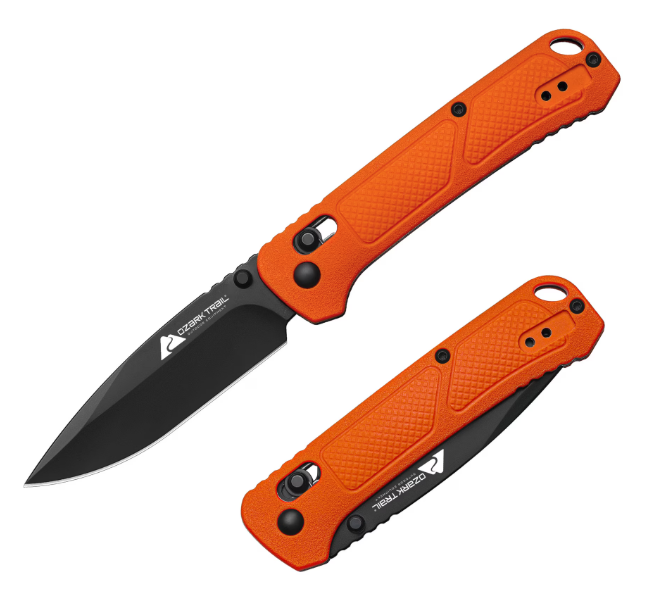
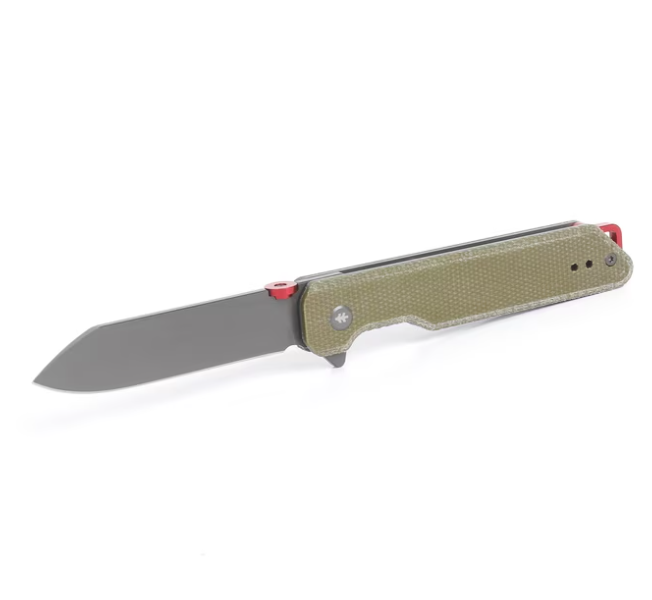
These are fantastic knives for the money, and they absolutely serve their purpose. A decent blade steel holds up well, stays useful for a long time, and should not need constant sharpening if you are using it like a knife instead of abusing it like a pry bar.
That said, a folding or compact field knife should not be your go-to tool for batoning wood. That is axe or hatchet territory. And while an axe is undeniably useful for processing wood, you may not always want to lug one around. In many real-world situations, dead wood is already abundant enough that you can get by without carrying an axe at all.
For a minimalist kit or a day hike, the knife is there to cut cordage, prep tinder, handle food, make small repairs, and solve trail problems quickly. That is where these kinds of blades shine.
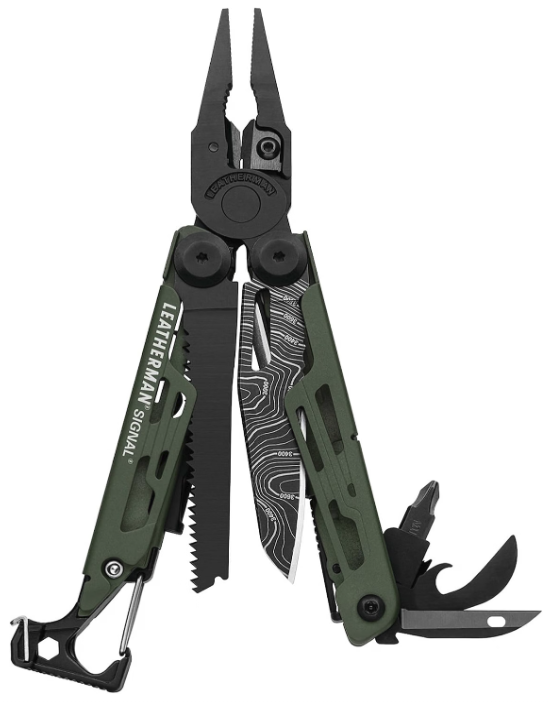
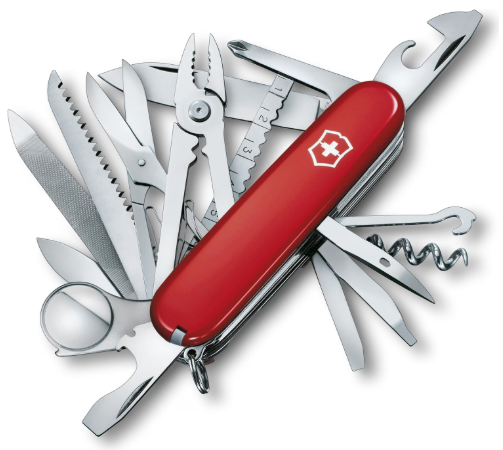
For multitools, we recommend sticking with proven names:
- Victorinox
- Leatherman
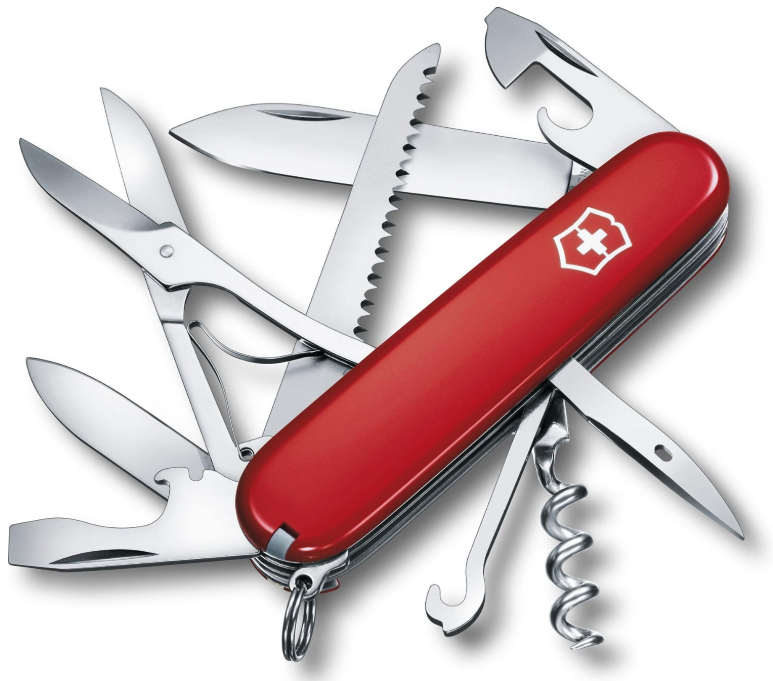
If you want a compact, capable option, the Victorinox Huntsman is a great start. If you want something with more tools, the Victorinox SwissChamp gives you a lot in a pocketable format.
What makes a multitool so valuable is not just the number of functions. It is the fact that it gives you options. Pliers help with repairs, bending wire, pulling hot material, and fixing small failures in the field. Scissors trim tape, cord, fabric, and bandages. Small blades and saws help with tinder prep, carving notches, gear mods, food prep, and improvised tools. With a little creativity, these tools can help you repair equipment, build simple solutions, and even improvise items like hooks or fasteners when you are working with limited resources.
And again, that is not just “survival.” That is hiking utility. A loose strap, stubborn food packaging, a torn pouch, a bent stove part, a blister needing trimmed tape, or gear that needs to be modified on the fly all become much easier when you have real tools on you.
Cordage and repair items worth carrying
- A roll of micro cord — you can buy a compact 100 ft roll for around $7, and it is extremely strong for its size while staying very lightweight
- A few wraps of duct tape
- A needle and strong thread
- A couple of zip ties
These tiny items can save a strap, patch torn gear, secure shelter material, lash items together, replace a broken zipper pull, reinforce a splint, seal a leak, wrap a hotspot before it becomes a blister, build up grip on a tool, or help you improvise something functional in a hurry. Duct tape in particular is one of the best “fix problems now” items you can carry.
5. Light, Signaling, and Navigation
Light
- A small flashlight or headlamp
- A spare battery if your light uses replaceable cells
Light is not optional if you are delayed past sunset. A tiny light can completely change your options. Even outside of emergencies, it helps with digging through gear, checking feet for blisters, making repairs, and simply moving safely when the day runs longer than planned.
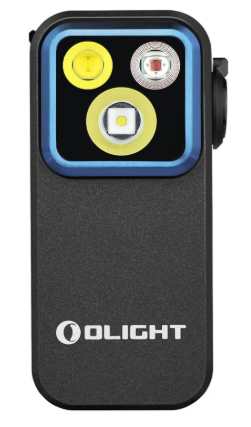
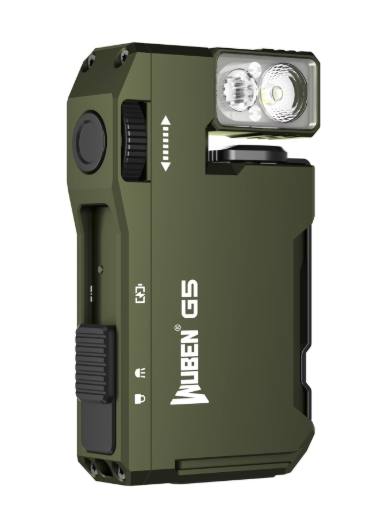
A dependable light is one of the first items that matters when things go sideways. Whether you are hiking late, dealing with a gear issue after dark, checking footing on a rough trail, or trying to signal for help, a solid light gives you time, control, and a real safety advantage. It is also one of the most useful everyday carry items because it serves you far beyond emergencies — in your bag, on your keychain, in a pocket, and on your head at the end of the day.
There are infinite options out there for lights, and honestly, most people do not need the most complicated setup on earth. We chose the two options below because they strike a great balance of brightness, packability, battery life, reliability, and everyday utility. They are compact enough to disappear into a pocket or EDC bag, but powerful enough to be genuinely useful when you need them. In other words, these are exactly the kind of lights that belong in a daily carry setup and in a bug-out or survival kit alike.
An EDC light should be your baseline no matter what. Whether you are heading to work, running errands, walking the dog, or heading into the woods, having a small, reliable light on your person is one of the easiest ways to improve safety and reduce risk. It is not about overbuying gear — it is about carrying something simple, useful, and ready when you need it.
Signaling
- A whistle
- A bright bandana or panel
A whistle is small, cheap, and effective. It carries farther than your voice and saves energy.
Navigation
- Your phone with an offline map downloaded
- A battery bank if you have room
- A compass if you know how to use one — we recommend Suunto
Technology is excellent right up until it is not. A dead phone should not be the moment your plan ends.
6. Shelter and Weather Protection
Even a compact survival kit should help you deal with exposure.
Useful additions include:
- An emergency blanket or bivvy
- A lightweight poncho
- An extra pair of socks
- Seasonal gloves or a beanie when appropriate
If you are wet, cold, and losing heat, everything gets harder: judgment, coordination, fire building, navigation, and morale. A cheap shelter item can matter more than a fancy blade.
A poncho is especially valuable because it can do more than keep rain off you. In a pinch it can become a quick overhead shelter, a windbreak, a ground barrier between you and wet terrain, or part of an improvised lean-to when paired with cordage.
An emergency blanket or bivvy is one of the best examples of a tiny item doing big work. It is pocketable, lightweight, and useful for warmth, heat retention, weather protection, signaling, and helping create a more survivable microclimate when conditions turn on you.
7. Food Is Important, but It Comes After Water
You do not need to turn a compact emergency kit into a kitchen setup.
What you do want is:
- A compact survival ration or a couple of high-calorie snacks
- Something that handles heat well
- A little extra beyond what you think you will need
We picked the survival ration shown below because it is lightweight, compact, shelf-stable, and easy to pack without taking up much room. It is not meant to be gourmet. It is meant to supplement what you already have, give you extra calories when you are running low, and help get you out of a tight situation with enough energy left to think clearly and make it to safety.
That size-to-calorie ratio is exactly why these rations make sense in a minimalist kit. One block like this, or more than one if you have the room, gives you a lot of emergency value without turning your setup into a heavy food bag.
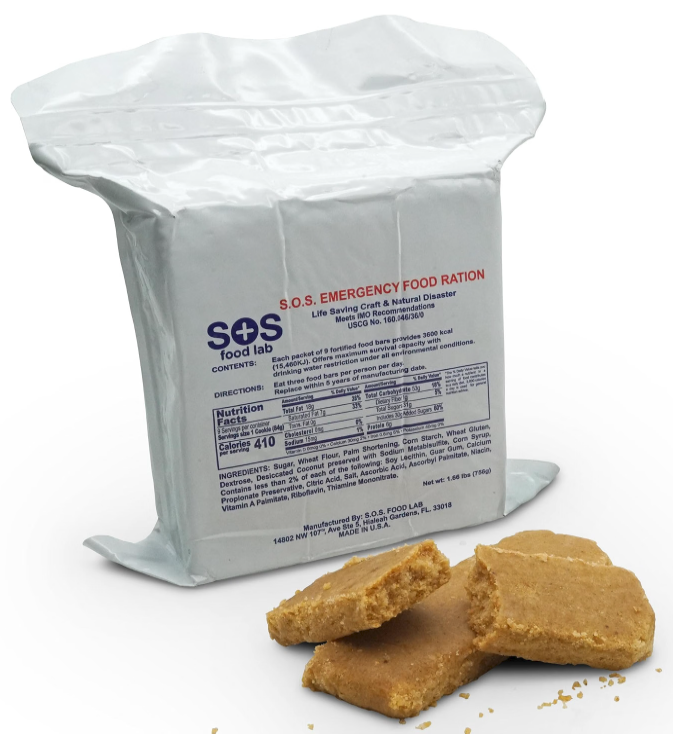
Think simple: bars, jerky, nuts, trail mix, or dedicated survival rations. Survival food is about calories, stability, and convenience, not gourmet points. Even on a normal hike, having backup calories can rescue a rough day.
Nice-to-Haves That Earn Their Space
Once the basics are covered, these are excellent upgrades:
- Coffee filters — great for pre-filtering dirty water
- A neck gaiter or shemagh — sun, dust, sweat, pre-filtering, and general utility
- A small metal pot or cup — useful for boiling water and simple cooking
- A waterproof notebook and mini pencil
- A backup lighter
- Small zip bags for organization and waterproofing
One item we especially like is a compact titanium pot. Something like the TOAKS 750ml pot gives you a lightweight way to boil water, make something warm, and expand what your kit can do without taking up much space.
A Simple Version 1 Kit to Build Today
If you want a straightforward starting point, build around this:
- Water purification tablets
- Coffee filters or a neck gaiter
- BIC lighter
- Ferro rod
- Fire plugs or other tinder
- Small first aid kit
- Compact multitool or knife
- Roll of micro cord
- Duct tape
- Whistle
- Small flashlight or headlamp
- Emergency blanket
- Snacks
That is already enough to cover the major categories without spending ridiculous money. You do not need to carry everything under the sun, but carrying almost nothing and hoping nothing goes wrong is not a flex. A few smart items can make a bad situation far more manageable.
Bottom Line
The best survival kit is not the most expensive one. It is the one you actually carry, actually know how to use, and actually built with a purpose.
Start with water, fire, first aid, cutting tools, light, and shelter. Skip the gimmicks. Buy practical gear. Learn how to use it. Practice with it before you need it.
Knowledge weighs nothing, but it multiplies the value of every item in your kit.
Take a course. Join the hikes. Practice on your own. Your gear is only as useful as your ability to stay calm, think clearly, and make it work. And if you ever do find yourself in a sticky situation, I can pretty much guarantee that having even a few of the items from this article will make that situation a whole lot better.
Enjoyed this? Come hike with us.
Our community learns skills on the trail together. Request to join our WhatsApp group.
Request to Join →