
The Essential Hiker's Day Pack Checklist
By Almir • Monday, June 1, 2026
The Essential Day Pack
This is the basics. Whether you're hiking your first trail or your hundredth, this is Muslim Adventures' vetted day hike checklist. Follow this list and you will be prepared for any conditions on any trail in the Southeast.
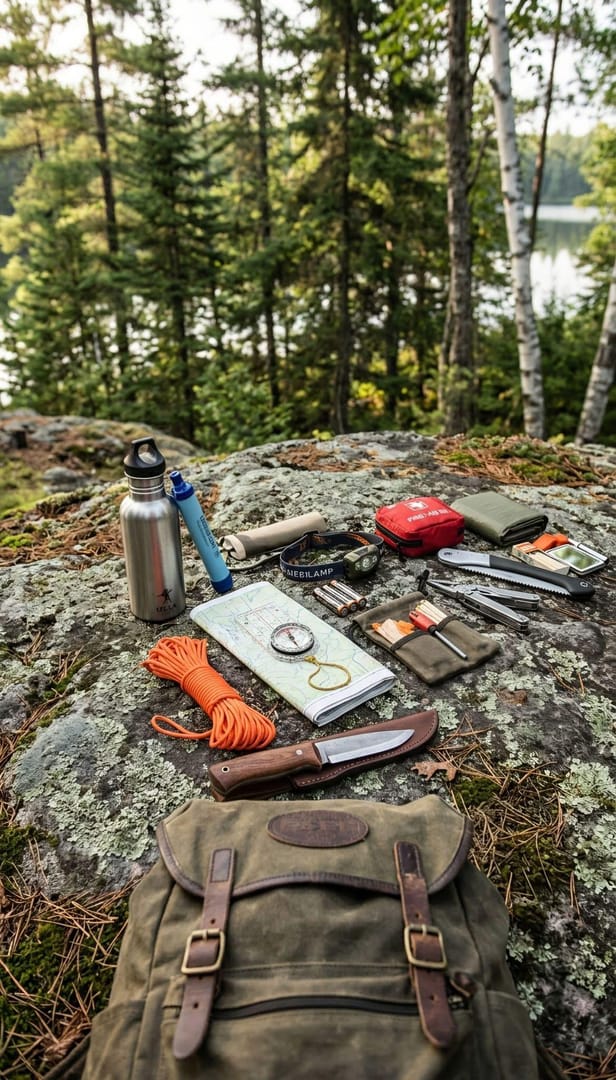
If you're new to hiking, this checklist is non-negotiable. Print it, screenshot it, bookmark it — just don't leave home without running through it.
Even experienced hikers should review this before every hike.
Navigation (Required)
- AllTrails app — this is our primary map source. Download the trail offline before you leave. AllTrails is free to use; the paid version ($30/year) offers additional features but is completely optional.
- Paper topographic map — highly recommended as a backup. You can get waterproof or printed topos from MyTopo. This is your insurance policy if your phone dies.
- Baseplate compass — Get one you trust. Browse Suunto compasses on Amazon — we recommend their builds.
Water & Hydration (Non-Negotiable)
Minimum 2 liters per person — this is not negotiable. On hot days or hard trails, bring 3L.
Hydrate the day before. Start hydrating 24 hours before your hike, not 10 minutes before. Last-minute water dumps into your system don't absorb properly — they flush right through, leaving you dehydrated and fatigued on the trail. Drink steadily throughout the day before.
Add sea salt to your water. A pinch of sea salt helps your body retain and absorb water instead of flushing it out. This small hack makes a real difference on long or hot hikes.
Water filtering options:
- Sawyer Squeeze — affordable, proven, attaches to any water bottle. Check on Amazon.
- GRAYL GeoPress — all-in-one bottle and filter. Faster, more intuitive. Check on Amazon.
Carry a bag. Don't carry water bottles in your hands. Use a hydration pack or backpack — your hands need to be free for balance and safety.
Food & Fuel
- Snacks (trail mix, energy bars, jerky, fruit) — one serving per hour of hiking minimum. Hunger on the trail affects your judgment and energy.
- Emergency ration — pack extra food beyond what you think you'll eat. Emergencies and delays happen.
- Avoid melt-prone foods — nothing that melts in heat, nothing that requires cooking. Day hikes are about accessibility, not gourmet meals.
Safety & Emergency
- First aid kit — blisters, sprains, cuts, pain relief, emergency contacts. See Optional Gear below for pre-made kits.
- Whistle — three blasts = emergency signal. Carry one. Know how to use it.
- BIC lighter — fire safety and emergency use.
- Appropriate clothing — wear clothes suitable for the temperature. A jacket or hoodie in 90°F heat will cause you to overheat and potentially faint. A t-shirt and shorts in 20°F will cause hypothermia. Understand the weather and dress for it.
- Appropriate footwear — this is non-negotiable. Wear hiking boots, trail runners, or dedicated hiking shoes. Do NOT wear flip-flops, Vans, or casual sneakers. Your feet are the foundation of a safe hike. Wrong shoes = slips, falls, twisted ankles, or a cut-short hike.
- Know your limits — understand your body and what you're capable of. If you have heart problems, joint issues, or any medical conditions, speak with your doctor before hiking. Don't attempt a hike if you're unsure. If you have questions, reach out to one of the team admins — we'd rather have that conversation than rescue you on the trail.
Clothing, Sun Protection & Footwear
Sun Protection:
- Long-sleeve UV-protective clothing — wear breathable, fitted long sleeves that block UV rays. This protects your skin from sun damage far better than sunscreen alone.
- Hat and sunglasses — a wide-brimmed hat and UV-blocking sunglasses are essential. Sunscreen alone won't cut it.
- Sunscreen SPF 50+ — reapply as needed.
- Rain jacket or a Quality Poncho if weather is uncertain — lightweight, packable.
Winter Hiking:
- Layer — start with a moisture-wicking base layer, add an insulating mid-layer, top with a wind-resistant outer shell.
- Avoid cotton at all costs — cotton absorbs sweat and moisture, then takes forever to dry. When it's wet, cotton actively cools you down and accelerates hypothermia. Use synthetic or merino wool instead.
Footwear (Non-Negotiable):
- Hiking boots (ankle support) — for technical or rocky trails
- Trail runners or dedicated hiking shoes — for flatter, maintained trails
- Must be broken in — not brand new. Test them on shorter hikes first.
- Not flip-flops, not Vans, not casual sneakers — these will cause blisters, slips, and potentially serious injuries.
Optional But Recommended Gear
These items aren't required, but they'll make your hike safer, more comfortable, and more enjoyable.
Multi-tool or Pocket Knife: A quality multi-tool or pocket knife is handy for trail repairs, first aid, and unexpected situations. No gimmicky tools — only reliable items from such brands below
- Leatherman
- Victorinox
- Gerber
- SwissTech
- Benchmade
Daypack: A quality pack makes a huge difference. You need something that fits and doesn't hurt your shoulders. Budget-friendly option on Walmart — 10L is perfect for day hikes.
First Aid Kit (Pre-Made): If you don't want to assemble your own, grab a pre-made kit designed for day hikes. Adventure Medical Kits on Amazon has solid, compact options.
Trekking Poles: Reduces strain on knees, especially on downhill sections. Helps with balance on rocky terrain. Affordable adjustable poles on Walmart.
Before You Leave the Trailhead
Tell someone where you're going and when you'll be back. Leave a clear itinerary:
- Trail name and location
- Expected departure and return time
- Your phone number
Every member of Muslim Adventures checks in before and after every hike. No exceptions. Your safety is our priority.
Enjoyed this? Come hike with us.
Our community learns skills on the trail together. Request to join our WhatsApp group.
Request to Join →